 nicos
GuideAndes & coffeePasto y Nariño
Black and White Carnival 2027 in Pasto (Carnaval de Negros y Blancos): dates, what to see and how to plan
Short answer
As of October 3, 2026, there is no official 2027 carnival program. According to UNESCO, the festival runs from December 28 to January 6 in Pasto, and its main days are January 5 (Día de Negros) and January 6 (Día de Blancos). If it follows the traditional calendar, January 5, 2027 falls on a Tuesday and the 6th on a Wednesday. Book your flight and hotel early.
- 2027 dates
- No official program published (Oct 3, 2026)
- Traditional calendar
- December 28 to January 6 (UNESCO)
- Main days
- January 5, Día de Negros; January 6, Día de Blancos (UNESCO)
- Grand Parade (Desfile Magno)
- January 6 (official carnival website)
- UNESCO heritage
- Inscribed by UNESCO in 2009
- Canada advisory (Sep 29, 2026)
- Pasto exempted; rest of Nariño and Ipiales: avoid non-essential travel
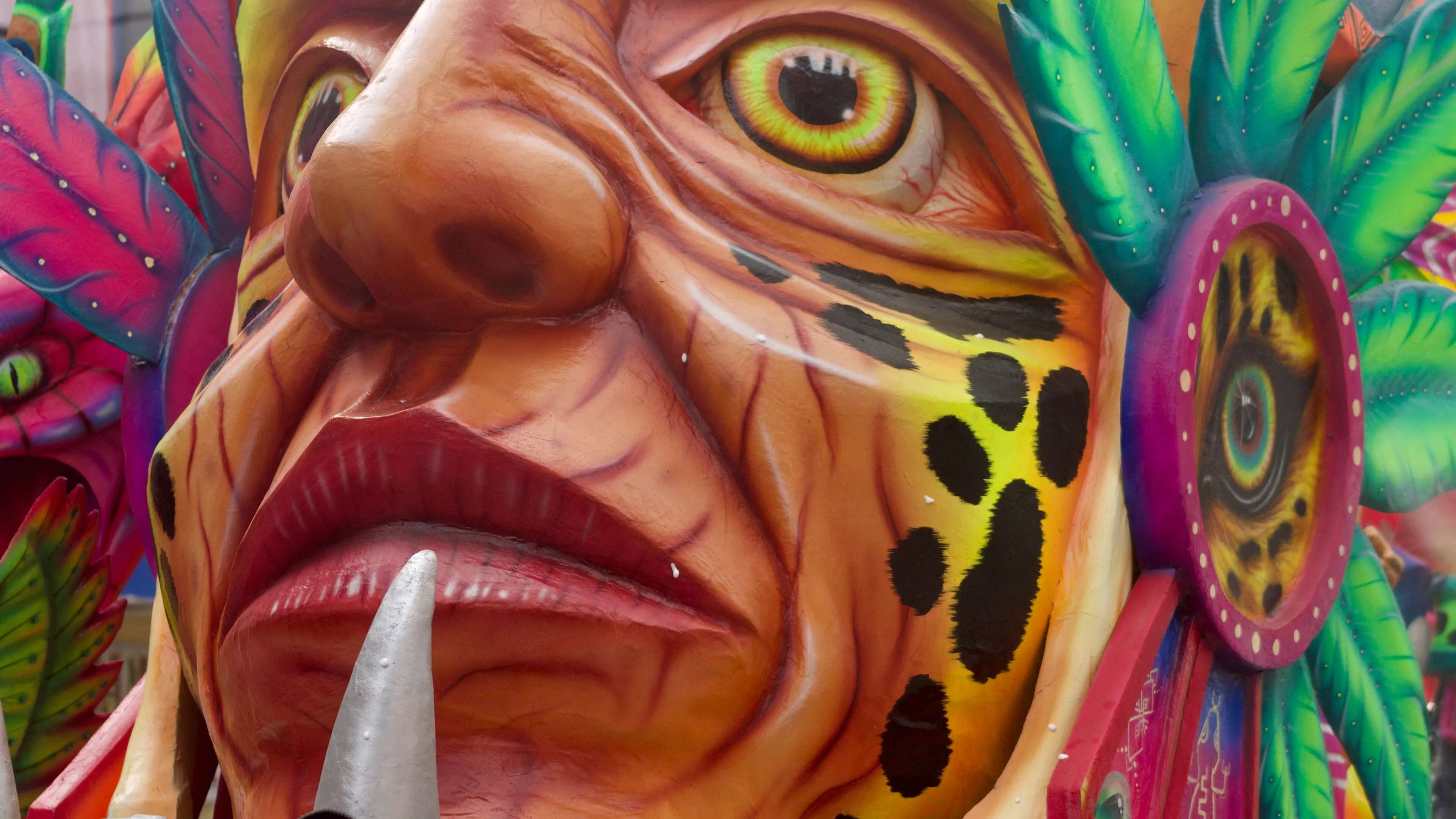
When is the 2027 Black and White Carnival?
There are no official 2027 dates yet: as of October 3, 2026, the official carnival website only shows the program for the 2025–2026 edition. What is documented is the traditional calendar.
- UNESCO describes the carnival in San Juan de Pasto as running from December 28 to January 6.
- In its latest edition, the official carnival website scheduled the main days from January 2 to 6, after a pre-carnival with concerts and neighborhood activities.
If 2027 follows the traditional calendar (not the official program)
- Monday, December 28, 2026: Water Carnival.
- Thursday, December 31, 2026: Old Years parade (Años Viejos).
- Saturday, January 2, 2027: Carnavalito.
- Sunday, January 3: choreographic collectives parade.
- Monday, January 4: arrival of the Castañeda Family.
- Tuesday, January 5: Día de Negros.
- Wednesday, January 6: Día de Blancos and Grand Parade.
We worked out the days of the week ourselves from that calendar. We'll update this guide when Corpocarnaval publishes the official 2027 program.
What happens on each day of the carnival?
Each day has its own moment, and the last two are the most important. This is what UNESCO and the official carnival website describe:
- December 28, Water Carnival: people throw water in homes and on the streets to kick off the festive mood (UNESCO).
- December 31, Old Years parade: satirical figures of people and events from the year, ending with the symbolic burning of the outgoing year (UNESCO).
- January 2, Carnavalito: the children's part of the carnival; the tablados (stage performances) start that day (official website).
- January 3, choreographic collectives: a parade that recalls epic journeys as a tribute to Mother Earth (official website).
- January 4, arrival of the Castañeda Family: a traditional parade with scenes of identity, events and characters (official website).
- January 5, Día de Negros: participants paint themselves with black cosmetic paint (UNESCO); the official website describes it as the identity game that gave rise to carnival play.
- January 6, Día de Blancos and Grand Parade: white talc as a symbol of equality (UNESCO) and the big parade with costumes and troupes (official website).
Why is it an Intangible Cultural Heritage of Humanity?
UNESCO inscribed it in 2009 on its Representative List of the Intangible Cultural Heritage of Humanity. Its listing describes a festival that blends Andean and Spanish traditions, in which homes become collective workshops where carnival arts are created and passed on.
The same listing explains that painting yourself black one day and white the next symbolizes equality and brings all citizens together, as an expression of a shared desire for tolerance and respect.
How to plan your trip to Pasto for the carnival
Book early and first decide which days you want to experience. If you can only go for a few days, prioritize January 5 and 6, which UNESCO identifies as the main ones.
- To see January 2 to 6, plan to arrive on January 1 or 2 and leave on the 7th.
- If you want to include the Old Years parade on December 31, the trip stretches to more than a week.
- These are year-end holiday dates: book your flight and hotel as soon as you have dates.
- Canada recommends that, if you go to Pasto, you arrive by air.
- We don't publish flight routes or schedules to Pasto because we couldn't confirm them with official sources. Your advisor reviews them with you.
During the carnival
- Wear clothes that can get stained and protect your phone: on January 5 and 6 there's black paint and talc.
- Protect your eyes and mouth from the talc if you have allergies or breathing problems, and see your doctor if that applies to you.
- Agree on a meeting point with your group: the parades draw huge crowds.
What else can you visit from Pasto?
Laguna de la Cocha is the closest outing with official data. It's a Ramsar wetland (site 1047) and home to the Isla de la Corota Flora and Fauna Sanctuary, whose 2026 fee is COP 8,000 for Colombians, Andean Community (CAN) members and residents and COP 15,500 for foreigners (National Parks).
- Because La Corota is a National Parks area, it requires the yellow fever vaccine given at least 10 days in advance, with the vaccination card.
- Nariño recorded confirmed yellow fever cases between 2024 and January 2026, according to the Ministry of Health's Circular 001 of 2026. Ask your doctor whether you need the vaccine for your route. This guide is not a substitute for medical advice.
- Las Lajas Sanctuary is in Ipiales. Keep Canada's advisory for Ipiales in mind before planning that outing (see the next section).
What do official travel advisories say about Pasto and Nariño?
Canada exempts the city of Pasto from its advisory for Nariño, but not Ipiales. The United Kingdom does not restrict Pasto or the city of Ipiales.
- Canada (September 29, 2026): avoid non-essential travel to Nariño, except the city of Pasto, and to the city of Ipiales and its border crossing. Avoid all travel within 50 km of the border with Ecuador, except the Ipiales crossing, and to the port of Tumaco. If you go to an exempted area, such as Pasto, arrive by air.
- United Kingdom (September 23, 2026): advises against all but essential travel to the Pacífico Sur, Sanquianga and Telembí regions of Nariño and within 5 km of the border with Ecuador, except the Rumichaca bridge and the city of Ipiales.
- United States: we couldn't open the State Department's official page. If you travel on a US passport, check it at travel.state.gov.
Read your country's full advisory before booking. We review them every time we update this guide.
How we made this guide
Written by @adondevaruben for Amazónicos Viajes y Aventuras based on official sources (UNESCO, the official carnival website, National Parks, the Ministry of Health, Ramsar and the governments of Canada and the United Kingdom) consulted on October 3, 2026. We don't publish 2027 dates as official because Corpocarnaval hasn't announced them yet.
Information changes. We review this guide every 3 months and at the start of each season, and we'll update it as soon as the official 2027 program comes out. Before every trip, your advisor confirms requirements, costs and operating conditions.
Frequently asked questions
Has the 2027 Black and White Carnival program been released?
No, as of October 3, 2026. The official website only shows the 2025–2026 edition. We'll update this guide when it comes out.
What are the most important days of the carnival?
January 5 (Día de Negros) and January 6 (Día de Blancos and Grand Parade), according to UNESCO and the official website.
What day is Día de Blancos in 2027?
If the traditional calendar holds, January 6, 2027 falls on a Wednesday. Confirm it with the official program.
Since when has it been a UNESCO heritage?
Since 2009, when UNESCO inscribed it on the Representative List of the Intangible Cultural Heritage of Humanity.
How many days should I go for?
To experience January 2 to 6, arrive on the 1st or 2nd and leave on the 7th. If you're short on time, prioritize the 5th and 6th.
Is it safe to go to Pasto?
Canada exempts the city of Pasto from its advice to avoid non-essential travel in Nariño, and the United Kingdom does not restrict it. Read your country's advisory before booking.
Sources
- UNESCO — El Carnaval de Negros y Blancos, Patrimonio Cultural Inmaterial de la Humanidad (2009) (checked on Sat, Oct 3, 2026)
- Carnaval de Negros y Blancos de Pasto — sitio oficial (Corpocarnaval, Alcaldía de Pasto, Gobernación de Nariño, Ministerio de las Culturas) (checked on Sat, Oct 3, 2026)
- Gobierno de Canadá — Travel advice and advisories: Colombia (actualizado el 29 de septiembre de 2026) (checked on Sat, Oct 3, 2026)
- Reino Unido (FCDO) — Colombia: warnings and insurance (actualizado el 23 de septiembre de 2026) (checked on Sat, Oct 3, 2026)
- Ministerio de Salud — Circular Externa 001 de 2026 (fiebre amarilla) (checked on Sat, Oct 3, 2026)
- Parques Nacionales Naturales — Nuevo requisito para visitar nuestros parques (fiebre amarilla, 2 de mayo de 2025) (checked on Sat, Oct 3, 2026)
- Parques Nacionales Naturales — Resolución 551 de 2025 (tarifas de ingreso 2026) (checked on Sat, Oct 3, 2026)
- Ramsar — Laguna de la Cocha (sitio 1047) (checked on Sat, Oct 3, 2026)
Photo credits: Dannia Sofía Melo · CC BY-SA 4.0 · Wikimedia Commons