 nicos
Guide
Is Colombia safe to visit in 2026? What official travel advisories say by destination
Short answer
It depends on the destination, and no government gives a yes or no for the whole country. Canada asks for "a high degree of caution" in Colombia and restricts specific departments (Sep 29, 2026). The UK advises against travel to specific areas (Sep 23, 2026). We couldn't open the U.S. page. Here's what they say, destination by destination.
- Canada, overall level
- "Exercise a high degree of caution," with regional advisories (Sep 29, 2026)
- United Kingdom
- Advises against all but essential travel to specific areas (Sep 23, 2026)
- United States
- We couldn't open the official page: check it directly
- Leticia and Puerto Nariño
- Outside the restricted areas of Canada and the UK
- Quindío, Risaralda and Caldas
- Not mentioned on Canada's or the UK's lists
- Santa Marta and Route 90
- Canada suggests considering delaying travel along Route 90 (Tayrona)
- Earthquake
- Aug 10, 2026, magnitude 7.4, epicenter in San José del Palmar, Chocó (PAHO)
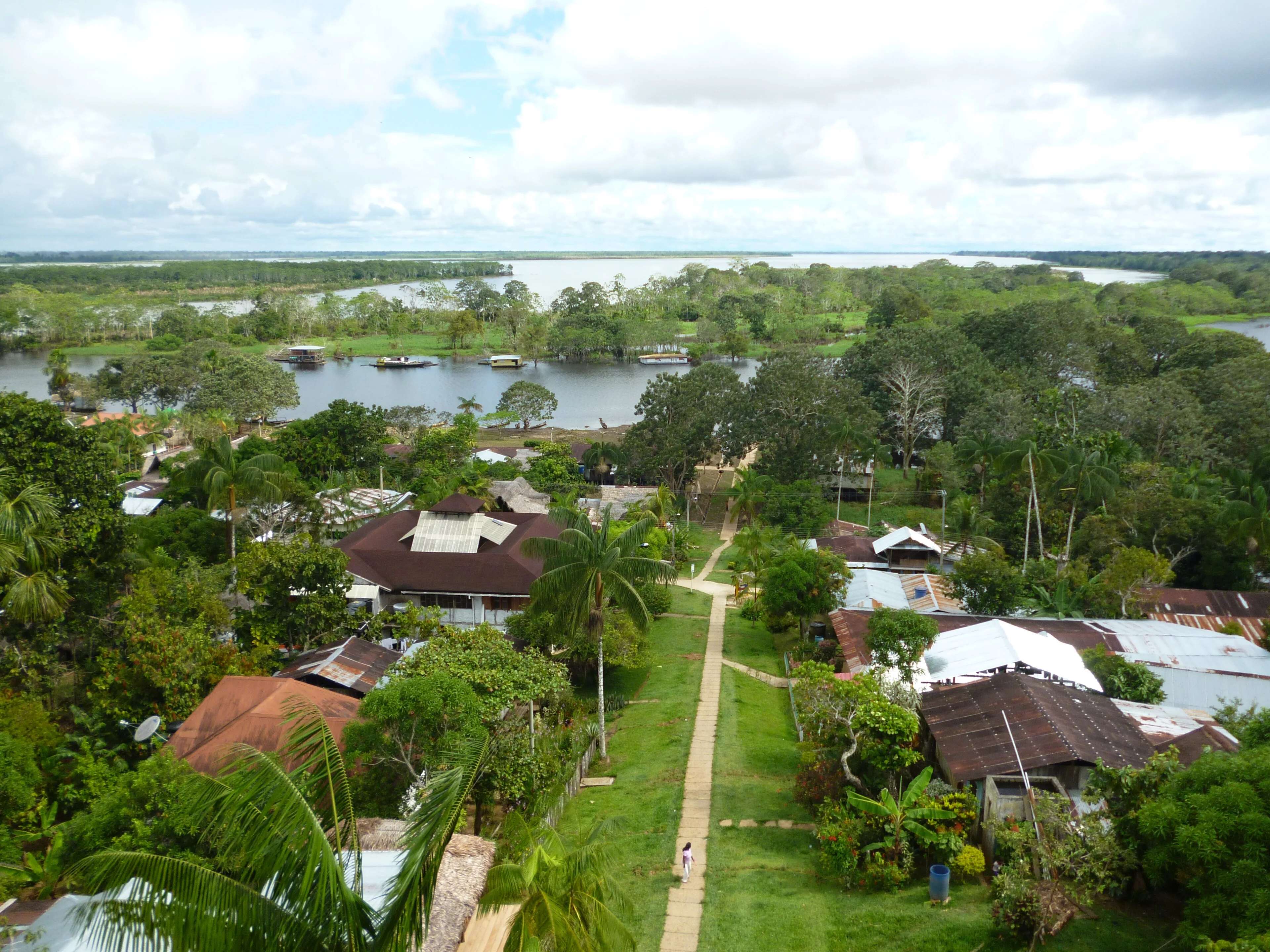
Is it safe to travel to Colombia right now?
The official answer depends on which part of the country you're going to. Governments that publish travel advisories don't rate all of Colombia the same way: they flag departments, cities and border strips.
We won't tell you that "Colombia is safe" or that "it's dangerous." We show you what each government says, with its date, so you can make an informed decision. Advisories change often: open them on the day you book and again before you leave.
How to read the advisories
- "Avoid all travel" (Canada) or "against all travel": the government asks you not to travel to that area.
- "Avoid non-essential travel" (Canada) or "against all but essential travel" (UK): the government asks you to go only if you have a necessary reason.
- A place not appearing on those lists doesn't mean zero risk: the general advisories still apply.
What does Canada's advisory say?
For the whole country, Canada says "Exercise a high degree of caution," with regional advisories. Last updated: September 29, 2026.
Avoid all travel (Canada)
- Arauca.
- Caquetá, except the city of Florencia.
- Cauca, except the city of Popayán.
- Cesar, in the municipalities of González and Río de Oro.
- Chocó, except the towns of Bahía Solano, Capurganá and Nuquí.
- The 50 km strip along the border with Venezuela, except Cúcuta; the 100 km strip along the border with Panama; and the 50 km strip along the border with Ecuador, except the Ipiales crossing.
- Norte de Santander, except Cúcuta.
- The port of Tumaco and the city of Buenaventura.
Avoid non-essential travel (Canada)
- Amazonas, in the 20 km strip along the border with Peru, west of Puerto Nariño.
- Antioquia, in the area next to Chocó north of Route 60 and west of Route 62, and all areas north of Buriticá.
- Córdoba, in Paramillo National Natural Park.
- The cities of Cúcuta, Florencia, Ipiales (and its border crossing) and Popayán.
- Guainía, Guaviare, Putumayo, Vaupés and Vichada.
- Meta, except Caño Cristales and the city of Villavicencio.
- Nariño, except the city of Pasto.
- The towns of Bahía Solano, Capurganá and Nuquí, in Chocó.
- Valle del Cauca, except the cities of Buga, Cali and Palmira.
What does the UK's advisory say?
The UK advises against all but essential travel to specific areas. Its page was updated on September 23, 2026, and the latest update concerns heightened security measures in Santa Marta.
- All of Norte de Santander, including Cúcuta, and all of Arauca.
- The municipality of Puerto Carreño (Vichada) and the 5 km strip along the rest of the border with Venezuela.
- Chocó, except Quibdó, Nuquí, Bahía Solano and Capurganá.
- Western Valle del Cauca, including Buenaventura, and the municipality of Jamundí.
- The Pacífico Sur, Sanquianga and Telembí regions, in Nariño.
- Southern Córdoba and southern Bolívar.
- The Urabá and Bajo Cauca regions, in Antioquia.
- Guaviare, except San José del Guaviare.
- The Ariari region, in southern Meta, except Caño Cristales.
- The 5 km strip along the border with Ecuador (with exceptions) and municipalities in Caquetá and Putumayo.
What about the U.S. advisory?
We couldn't read it. On October 3, 2026, the State Department's official page blocked our request, and we don't repeat what third parties say about it.
If you're a U.S. citizen, open it directly at travel.state.gov before booking and check the level, the date and the areas it mentions.
What do the advisories say about each destination?
Here's the summary for the destinations we're asked about most, using Canada's (Sep 29, 2026) and the UK's (Sep 23, 2026) advisories.
Amazonas: Leticia and Puerto Nariño
- Canada: only restricts the 20 km strip along the border with Peru, west of Puerto Nariño (avoid non-essential travel). Leticia and Puerto Nariño fall outside it according to the text; an excursion upriver, west of Puerto Nariño, does not.
- UK: doesn't mention Amazonas.
Coffee Region: Quindío, Risaralda and Caldas
- Canada and UK: they don't appear on their lists of restricted areas.
- Canada does report damage from the August 2026 earthquake in Manizales and Pereira, among other cities (see below).
Caribbean: Cartagena, Santa Marta and Tayrona
- Cartagena: it doesn't appear on Canada's or the UK's restricted lists. The UK does restrict the south of the department of Bolívar.
- Santa Marta: Canada reports violence and unrest in the city after an operation against an illegal armed group, blockades on the Troncal del Caribe (Route 90), and says: "Consider delaying travel along Route 90," which is the access road to Tayrona Park.
- UK: "Santa Marta remains under heightened security measures following a major operation against armed groups in the area."
- Tayrona: National Parks closed it on February 17, 2026 due to public order risk (Resolution 091 of 2026) and reopened it on March 5. It also has annual closures; the next one is October 19 to November 2, 2026.
Pacific and Urabá: Nuquí, Bahía Solano and Capurganá
- Canada: avoid all travel to Chocó, except Bahía Solano, Capurganá and Nuquí; for those three towns, avoid non-essential travel.
- UK: exempts them from its Chocó restriction.
- Necoclí and Turbo, where boats to Capurganá leave from, are in the Urabá subregion (Government of Antioquia), where the UK advises against all but essential travel.
Caño Cristales (Meta)
- Canada: exempts Caño Cristales and Villavicencio; the rest of Meta is under avoid non-essential travel.
- UK: exempts Caño Cristales from its restriction on the Ariari region.
Valle del Cauca and Cali
- Canada: avoid all travel to Buenaventura; avoid non-essential travel to the rest of Valle del Cauca, except Buga, Cali and Palmira.
- UK: restricts the western part of the department, including Buenaventura, and Jamundí.
How did the August 2026 earthquake affect travel?
On August 10, 2026, at 7:34 a.m., there was a magnitude 7.4 earthquake with its epicenter in San José del Palmar (Chocó) at a depth of 103 km. It was felt in 16 departments, and PAHO describes it as the strongest earthquake recorded in the country in the last decade (situation report 8, September 11, 2026).
- Canada reports that a national state of disaster was declared and that there was damage in several cities, including Bogotá, Cali, Manizales and Pereira.
- Canada warns that there could be aftershocks causing further damage to infrastructure.
- The UK doesn't mention the earthquake on its main travel advice page for Colombia.
We don't publish the status of each road or attraction here, because it changes. Before every trip, your advisor confirms with local providers that lodging, transfers and activities are operating.
What else should you check before your trip?
Health
Yes: Colombia has been under a yellow fever health emergency since Ministry of Health Resolution 691 of 2025, which External Circular 001 of January 26, 2026 cites as still in effect.
If your trip includes the Amazon, Caño Cristales, the Pacific or a National Park, check our guide to yellow fever and vaccines. This guide doesn't replace medical advice.
What we do
We review Canada's and the UK's advisories when we put together your package and again before departure. If an advisory changes for your destination, we'll tell you before the trip.
- We confirm with local providers that operations are still normal.
- We recommend traveling with travel medical insurance and checking whether it covers the areas you'll visit.
- If you're a foreigner, also check your own country's travel advisory.
How we made this guide
It was written by @adondevaruben for Amazónicos Viajes y Aventuras, based on official sources checked on October 3, 2026: the travel advisories of Canada and the UK, PAHO, the Government of Antioquia, the Ministry of Health and National Parks. The U.S. State Department page couldn't be opened, so we don't summarize it.
Security advisories change. We review this guide every 3 months and at the start of each season, and your advisor confirms requirements and costs before every trip.
Frequently asked questions
Does Canada say not to travel to Colombia?
No. Its overall level is "exercise a high degree of caution," and it asks travelers to avoid all travel only to specific areas, such as Arauca, much of Chocó or Norte de Santander (Sep 29, 2026).
Is Leticia safe?
Leticia and Puerto Nariño fall outside Canada's and the UK's restricted areas. Canada only restricts the strip along Peru west of Puerto Nariño.
Can I visit the Coffee Region after the earthquake?
Quindío, Risaralda and Caldas aren't on Canada's or the UK's restricted lists. Canada reports damage in Manizales and Pereira; your advisor confirms operations before the trip.
What's happening in Santa Marta?
Canada reports unrest after an operation against an armed group and suggests considering delaying travel along Route 90, which leads to Tayrona. The UK mentions heightened security measures.
Is Cartagena on any advisory?
It isn't on Canada's or the UK's restricted lists (September 2026). The UK does restrict the south of the department of Bolívar.
What does the United States say?
We couldn't open the State Department's official page on October 3, 2026. Check it directly at travel.state.gov before booking.
Sources
- Gobierno de Canadá — Travel advice and advisories: Colombia (actualizado el 29 de septiembre de 2026) (checked on Sat, Oct 3, 2026)
- Reino Unido (FCDO) — Colombia travel advice (actualizado el 23 de septiembre de 2026) (checked on Sat, Oct 3, 2026)
- Reino Unido (FCDO) — Colombia: warnings and insurance (checked on Sat, Oct 3, 2026)
- Departamento de Estado de EE. UU. — Colombia Travel Advisory (no se pudo abrir el 3 de octubre de 2026) (checked on Sat, Oct 3, 2026)
- OPS/PAHO — Informe de situación 8: Colombia, terremoto agosto 2026 (11 de septiembre de 2026) (checked on Sat, Oct 3, 2026)
- Gobernación de Antioquia — Anuario Estadístico: subregiones del departamento (checked on Sat, Oct 3, 2026)
- Ministerio de Salud — Circular Externa 001 de 2026 (fiebre amarilla) (checked on Sat, Oct 3, 2026)
- Parques Nacionales Naturales — Resolución 091 de 2026 (cierre del PNN Tayrona) (checked on Sat, Oct 3, 2026)
Photo credits: Aliman5040 · CC BY-SA 3.0 · Wikimedia Commons